

For years, SEO advice has barely changed. You’ve probably heard some version of: “Just publish more blogs. Target high-volume keywords. Build backlinks. Wait six months.” If that worked, every brand on the internet would be drowning in inbound leads right now. But they aren’t. And the reason is simple: SEO in 2025 no longer rewards volume — it rewards intent.
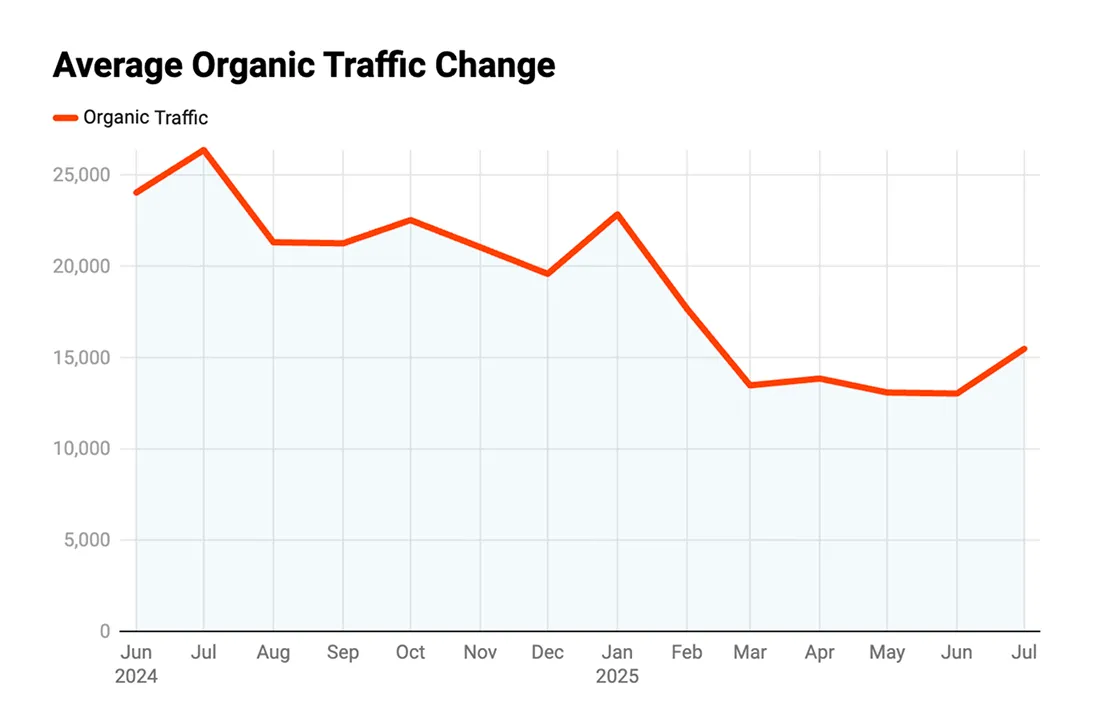
SEO is not about ranking anymore. It’s about building a pipeline. Traffic is easy. Anyone can buy traffic, generate clicks, or inflate impressions. But clicks don’t book calls. Impressions don’t move deals forward. And rankings don’t mean anything if the people landing on those pages never become customers. The brands winning today are the ones who understand that the real goal of SEO is to bring sales-ready buyers to the table, not just to show up in search results.
Focus on Pipeline, Not Traffic
Most keyword research starts with a tool:
type in a word → pick keywords → filter by volume → write content.
This is backward.
You start with the buyer, not the keyword.
Ask
- What triggers someone to start searching in the first place?
- What pain or inefficiency makes them consider changing?
- What are they comparing when evaluating solutions?
- What objections or doubts do they have before they decide?
When you map content to the actual buying journey, SEO stops being guesswork. Your pages meet your buyers exactly where they are — whether they’re just recognizing the problem or evaluating final options.
This is called Narrative and Buyer-Journey SEO, and it turns content into a sales enabler, not a blog factory.
Do Buyer-Led Keyword Research
The days of pumping out endless articles are gone.
More content doesn’t mean more growth.
Better thinking does.
Quality content in 2025 is not defined by word count or keyword density — it’s defined by:
- A clear point of view instead of repeating what’s already on page one
- Depth and clarity instead of surface-level summaries
- Real proof — examples, screenshots, numbers, context
- Narrative — why this matters now and how to act on it
You are not writing for algorithms. You are writing for buyers who are already evaluating. When content helps them see the world differently, trust is created — and trust is what converts.
Publish Less Content, But Better Content
Long-term SEO retainers often end up being twelve months of “let’s wait and see.” Activity increases, but outcomes don’t. That’s not strategy — that’s stalling.
A 90-day pilot forces clarity:
- The first month is about diagnosing, positioning, and planning.
- The second month is building, publishing, and optimizing.
- The third month is measuring what moves buyers closer to action.
If nothing meaningful shifts within 90 days — search behavior, demand quality, demo requests, buying velocity — then the strategy is wrong. It’s not that SEO “needs more time.” It’s that the plan wasn’t anchored in buyer intent in the first place.
So what works in 2025 is actually very simple.
Target bottom-of-funnel intent instead of high volume. Write with a point of view, not to satisfy an algorithm. Use content to support real buying decisions, not just to fill a blog calendar. Measure pipeline impact, not vanity numbers. And run SEO in tight, strategic, 90-day loops, not endless waiting periods.
When you do this, SEO becomes predictable, scalable, and profitable. It becomes a growth engine — not a gamble.